

1. Introduction: Why Injury Prevention Matters
Many people focus entirely on aesthetic results but ignore the basic mechanics that keep them injury-free. It is a common cycle: pushing for a personal best while ignoring a sharp twinge in the joint, only to end up sidelined for months. While sports and gym injuries are frequent, they are often entirely preventable. Safety is the only way to ensure real progress over time. This guide helps you exercise safely, recover better, and avoid the setbacks that force you out of the gym. If you are researching a how to prevent sports injuries essay for personal health knowledge, the first lesson is simple: your body is a machine that requires precise maintenance.
2. Why Sports Injuries Happen During Exercise
Injuries do not occur in a vacuum. They are usually the result of “too much, too soon” or “too heavy, too fast.” Poor workout form and posture are the primary culprits. When your technique breaks, the load shifts from your muscles to your vulnerable joints and ligaments.
Common reasons for injury include:
- Skipping the warm-up or cool-down.
- A sudden increase in weights, reps, or workout intensity.
- Overtraining without allowing enough rest for tissue repair.
- Weak muscles, poor flexibility, or general joint instability.
- Returning to exercise too quickly after an old injury has “felt” healed.
Understanding what are the most common injuries in sports—such as sprains, strains, and stress fractures—is the first step toward avoiding them.
3. Importance of Warming Up Before Exercise
A warm-up is not a luxury; it is a physiological requirement. It improves blood flow and prepares the muscles for the stress of a workout. This process reduces stiffness and improves joint mobility, making connective tissues more pliable.
Simple warm-up tips:
4. Focus on Correct Form and Technique
Poor technique is a major reason for surgical intervention. In the gym, ego often overrides mechanics. Common mistakes like rounding the back during a deadlift or letting the knees cave during a squat put immense pressure on the spine and ACL.
How to stay safe:
- Prioritize technique over the weight on the bar.
- Use mirrors to monitor alignment and posture.
- Ask a qualified trainer to audit your form if a movement feels “off.” Precision is the mark of an elite athlete. It is better to lift lighter with perfect control than to risk a rupture.
5. Build Strength, Stability, and Mobility
Strong muscles act as shock absorbers for the joints. If the quadriceps are weak, the knee joint takes the full hit during high-impact movements. This imbalance is why the ACL tear or meniscus damage is often cited as what is the most common knee injury in sports.
Improving joint health:
- Stability: Use single-leg exercises to strengthen the stabilizers around the ankles and hips.
- Mobility: Incorporate yoga or dedicated stretching to ensure joints move through their full range without hitting a “block.”
- Innovation: Try eccentric loading (focusing on the lowering phase) to build tendon resilience.
6. Recovery Is Essential to Prevent Injuries
Rest is when the body actually grows. Muscles and joints need time to recover from the microscopic damage caused by heavy exercise. Training seven days a week without a break is a direct path to a stress fracture or a tendon rupture.
Warning signs of overtraining:
- Persistent soreness that does not fade after 48 hours.
- A noticeable decrease in performance or strength.
- Sleep disturbances and constant fatigue. Proper hydration and nutrition are essential parts of this recovery phase. Without fuel, the tissues cannot rebuild.
7. When to See a Sports Injury Specialist
Minor soreness is normal. Sharp, localized, or persistent pain is a signal to stop. A consultation with a Sports medicine orthopaedic surgeon is necessary if you experience:
- Pain that keeps returning during or after every workout.
- Immediate swelling or bruising.
- A “locking” sensation or limited movement in a joint.
- Feeling of weakness or instability (the joint “giving way”).
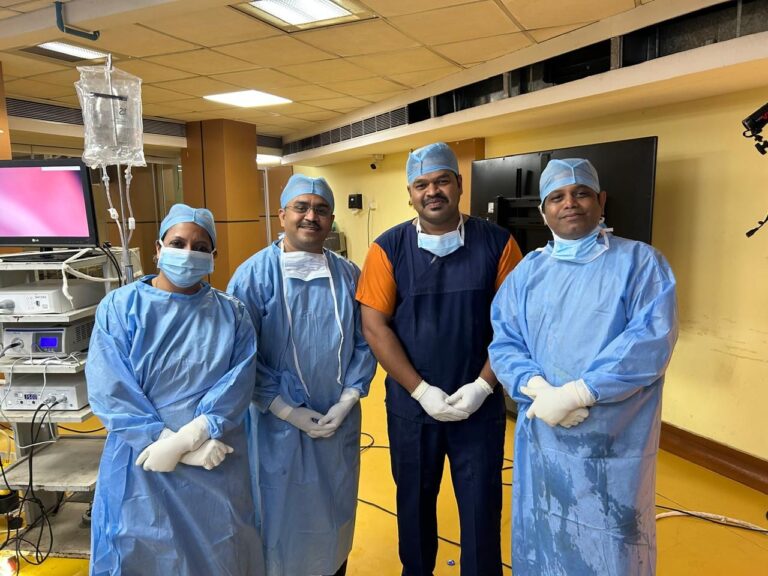
Addressing an issue early with a specialist in Knee surgery arthroscopy can mean the difference between simple physical therapy and a major surgical intervention. Seeking timely advice from Dr. Yogesh K ensures that old injuries do not become permanent hurdles.
8. Conclusion
Preventing injury is the most underrated part of any fitness journey. Focus on the basics: warm up thoroughly, respect your form, and listen to the signs of fatigue. By building a foundation of strength and mobility, you ensure that you stay active for the long run. Consistency is built on safety. If you feel something is wrong, do not push through the pain. Get a professional opinion and protect your joints so you can keep reaching your milestones.