

EMERGENCY SERVICES
Our Call Services!
Our Email Services
Our Location
Aster Whitefield Hospital Plot No. 3 & 4, Sadaramangala Industrial Area, off Whitefield Main Road, opposite ITPL, Whitefield, Bengaluru, Karnataka 560066
Our Location
Docube Healthcare, 2nd Floor, Keerthi Surya Shakti Towers, ITPL Main Road, near Hoodi, Whitefield, Bengaluru – 560048.
Home » Unicondylar Knee Replacement in Bangalore
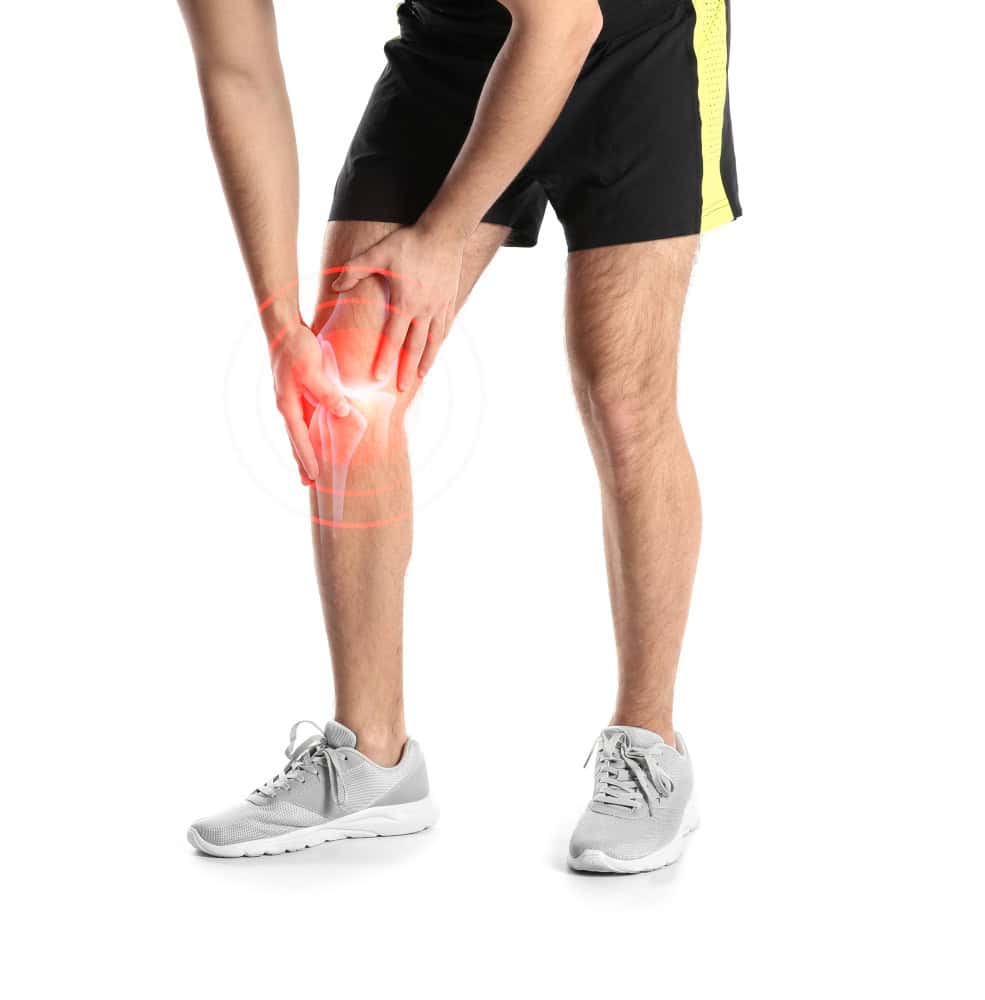
Unicondylar Knee Replacement in Whitefield
Unicondylar or partial knee replacement is an alternative to total knee replacement surgery for patients suffering from osteoarthritis with damage confined to only one compartment of the knee joint. For residents seeking high-quality Unicondylar knee replacement in Whitefield, this minimally invasive technique allows us to replace only the damaged area with an implant rather than replacing the whole knee cap.
This procedure helps preserve the natural state of ligaments and muscles, which contributes to a more natural feeling during movement. Dr. Yogesh K is dedicated to ensuring patients receive this precise, joint-preserving care.
Are you living with the draining effects of osteoarthritis? Consult an orthopedic specialist today for guidance on regaining mobility and relieving pain.
Why Unicondylar Knee Replacement Surgery?
If you visit a doctor with knee pain, they might first suggest non-surgical processes to heal the area. Non-surgical methods include oral anti-inflammatory drugs to reduce swelling, stiffness, and pain. Doctors might also recommend heat therapy to alleviate joint discomfort.
Steroid injection therapy involves the administration of medication to reduce inflammation. Lastly, physiotherapy is often prescribed. Physiotherapy for joint pain comprises a tailored exercise program designed to strengthen the muscles around your joint, improve mobility, and reduce pain.
If these forms of relief do not effectively subside the pain in your knee, it is advisable to consult a Top knee replacement surgeon in Bangalore immediately to discuss surgical options.
There are numerous symptoms that indicate you should see a surgeon regarding partial knee replacement:
- Knee pain while exercising and walking.
- Knee pain during daily activities.
- Stiffness and restriction of movement.
- Knee pain at night.
- Knee swelling and redness.
- Limited relief through non-surgical techniques.
These Symptoms Are Caused by Various Reasons.
- Osteoarthritis
- Rheumatoid arthritis
- A Knee fracture
- Septic Arthritis
This technology reassures patients and allows them to focus on proper rehabilitation and exercises. It offers quicker recovery, a reduced hospital stay, and a faster return to work post-surgery, providing longer-lasting results.
What Happens During the Surgery?
Robotics-assisted surgery allows surgeons to be more specific while choosing and implanting a prosthesis. It significantly helps to enhance the accuracy of the procedure. Instead of using predetermined angles and measurements to plan the procedure, advanced software helps the surgeon mark the correct place for the individual joint.
This accuracy helps improve long-term patient satisfaction. With traditional methods, the rate of repeat surgery is comparatively higher due to potential inaccuracies in knee movement, alignment, rotational profile, or subtle changes in ligament balance. When compared to a Robotic Total knee replacement, this partial approach allows the new knee to feel more natural and mobile.
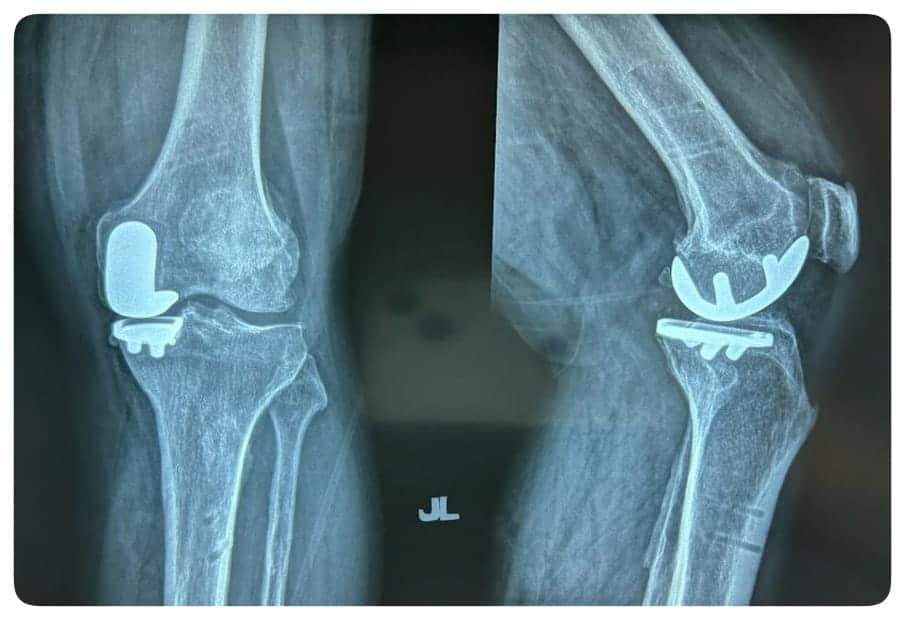
Consult the best knee replacement surgeon in Bangalore for advanced Mako Robotic Total Knee Replacement. Take the first step towards pain-free mobility today!
Post-Operative Care
Every individual’s healing journey is different. It is affected by:
- How active the individual was before the surgery.
- Day-to-day activities.
- Nature of employment.
- Age of the individual.
Although the person might recover sooner than a patient recovering from surgery performed through traditional techniques, it is advisable for patients to consult Dr.Yogesh K before starting any rigorous activity. For those looking for Unicondylar knee replacement in Whitefield, our post-operative care plans are designed to help you regain your lifestyle safely.
Risks
As with any major surgical procedure, there are potential risks and complications, though these occur in less than 1% of cases with robotic techniques. Potential complications include:
- Infection
- Blood clots
- Scarring
- Swelling
- Haemarthrosis
- Damage to nerves
- Fracture
It is an intermediate surgery, often performed as a day-care procedure where patients are discharged on the same day. It is a highly successful treatment for minor joint ailments, offering a tailored plan with high accuracy.
Frequently Asked Questions
1. What is unicondylar knee replacement surgery?
Unicondylar knee replacement is a form of partial knee replacement where only the damaged compartment of the knee is resurfaced, preserving healthy bone, cartilage, and ligaments.
2. Who is an ideal candidate for unicondylar knee replacement?
Ideal candidates have arthritis limited to one compartment of the knee, stable ligaments, good knee motion, and no significant inflammatory joint disease.
3. What are the unicondylar knee replacement indications?
Indications include localised osteoarthritis, preserved cruciate ligaments, minimal deformity, and a stable knee joint confirmed through imaging and clinical evaluation.
4. How is partial knee replacement different from total knee replacement?
A partial knee replacement treats only the affected area, while a total knee replacement resurfaces the entire joint. Partial procedures preserve more natural knee movement in selected patients.
5. Is unicondylar knee replacement suitable for active patients?
Yes, appropriately selected active patients may benefit, as the procedure maintains more natural knee mechanics, though high-impact activities may still be restricted.
6. What does the Unicondylar Knee Replacement Orthobullets recommend?
Orthopaedic guidelines emphasise strict patient selection, intact ligaments, correctable deformity, and precise implant alignment to ensure long-term success.
7. How long does recovery take after partial knee replacement?
Most patients resume routine activities within weeks, with continued improvement over 3–6 months depending on rehabilitation and overall health.
8. How long do unicondylar knee replacement implants last?
Modern unicondylar implants commonly last 10–20 years or longer, influenced by activity level, alignment, body weight, and surgical technique.
9. Is unicondylar knee replacement in Whitefield a safe procedure?
Yes, when performed by an experienced orthopaedic surgeon, it is a well-established and safe procedure with predictable outcomes.
10. Why choose Dr. Yogesh K for unicondylar knee replacement surgery?
Dr. Yogesh K focuses on evidence-based patient selection, modern surgical techniques, and structured rehabilitation to achieve reliable and safe outcomes.