

EMERGENCY SERVICES
Our Call Services!
Our Email Services
Our Location
Aster Whitefield Hospital Plot No. 3 & 4, Sadaramangala Industrial Area, off Whitefield Main Road, opposite ITPL, Whitefield, Bengaluru, Karnataka 560066
Our Location
Docube Healthcare, 2nd Floor, Keerthi Surya Shakti Towers, ITPL Main Road, near Hoodi, Whitefield, Bengaluru – 560048.
Home » Mako Robotic Total Knee Replacement in Bangalore

Mako Robotic Total Knee Replacement in Bangalore
The knee plays a crucial role in daily movement. It provides stability and support for walking, running, and other activities. When knee osteoarthritis (OA) strikes, it can severely impact quality of life, causing pain and limiting mobility. Traditional treatments often fail to provide long-term relief, leaving many patients seeking better solutions, such as a Unicondylar knee replacement in Whitefield.
“Robotic Total knee replacement in Bangalore is revolutionizing how we treat knee OA,” says Dr. Yogesh K, a distinguished orthopedic surgeon in Bangalore. “This advanced technology allows for a highly personalized surgical plan, ensuring precise implant placement and improved outcomes.”
Are you living with the draining effects of osteoarthritis? Consult an orthopedic specialist today for guidance on regaining mobility and relieving pain.
Understanding Mako Robotic Knee Surgery
This is a cutting-edge surgical solution for knee osteoarthritis. This advanced procedure combines robotic technology with the expertise of a skilled surgeon to ensure a highly accurate and personalized knee replacement.
The robotic system assists the surgeon in planning and executing the surgery with greater precision than traditional methods. It can lead to better alignment and fit of the knee implant.
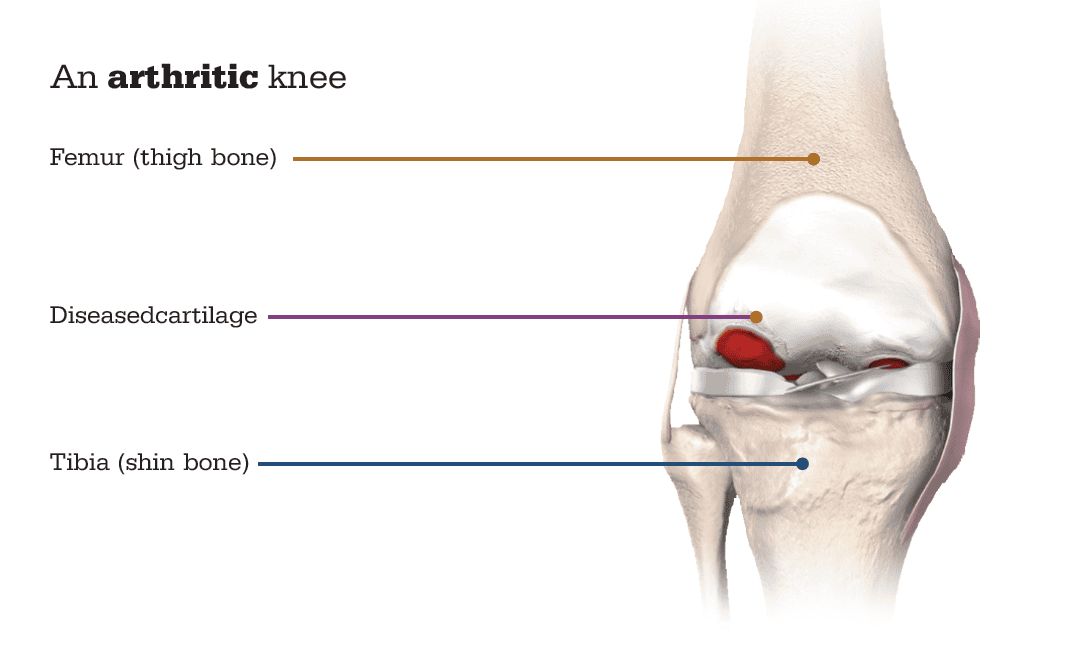
Consult the best knee replacement surgeon in Bangalore for advanced Mako Robotic Total Knee Replacement. Take the first step towards pain-free mobility today!
How Does Mako Robotic Technology Work?
Mako Robotic Technology uses a high-tech robotic arm and computer-assisted planning to enhance the surgeon’s capabilities. Pre-surgery, a 3D model of the patient’s knee is created from a CT scan. This model helps the surgeon develop a personalized surgical plan.
During surgery, the robotic arm guides the surgeon based on the pre-defined plan, ensuring precise movements and optimal placement of the knee implant, which can lead to better outcomes and faster recovery.
Benefits of Mako Robotic Knee Surgery
This technology offers several significant benefits:
Precision:
Enhanced accuracy in implant positioning reduces the risk of misalignment.
Personalization:
A tailored surgical plan based on each patient’s unique anatomy.
Minimized Tissue Damage:
The robotic arm allows more controlled movements, reducing trauma to surrounding tissues..
Faster Recovery:
Improved surgical precision often leads to less postoperative pain and quicker rehabilitation.
Long-Term Outcomes:
More accurate implant placement can result in better long-term functionality and durability.
Ready to say goodbye to knee pain and hello to mobility? Reach out to a healthcare professional for support and guidance on full knee replacement surgery.
Why Choose Dr. Yogesh K?
With over 10 years of experience, Dr. Yogesh K is a highly skilled orthopaedic surgeon specializing in trauma, arthroscopy, sports injuries, and joint replacement surgeries. Dr. Yogesh is passionate about accessible and affordable healthcare, empowering his patients with knowledge and tailored treatment plans at his Orthopaedic clinic Whitefield.
- 10+ Years of Experience in Orthopaedics
- Expertise in Arthroscopy of Knee, Shoulder, and Wrist
- Member of Prestigious Societies like AO Trauma, ISAKOS, and SICOT
- International Fellowships and Research Contributions
- A Patient-Centric Approach
- AVERAGE GOOGLE RATINGS: 4.9
Mako Robotic Knee Procedure
Surgical Process
Here’s a step-by-step breakdown of the Total knee replacement robotic surgery procedure:
Pre-Surgical Evaluation
The patient undergoes a thorough evaluation, including physical examinations and imaging tests such as X-rays and CT scans.
Creating a 3D Model
A detailed 3D model of the patient’s knee is generated from the CT scan. This model provides precise measurements and anatomical information for the surgery.
Surgical Planning
Using the 3D model, the surgeon develops a personalized surgical plan. This plan includes the precise positioning of the implants and the removal of damaged bone and tissue.
Anesthesia
On the day of the surgery, the doctor places the patient under anesthesia to ensure comfort and pain management during the procedure.
Incision
Dr. Yogesh K uses the Mako Robotic arm to make precise cuts over the knee to access the joint.
Bone Preparation
Using specialized instruments, the surgeon removes damaged cartilage and bone from the knee joint to prepare it for the implants.
Robotic Arm Assistance
Implant Placement
Closure
Once the implants are in place, the surgeon closes the incision with sutures or staples.
Postoperative Care
After surgery, the patient is closely monitored in the recovery room. Physical therapy typically begins soon after surgery to aid in rehabilitation and recovery.
Follow-up
Patients are scheduled for follow-up appointments to monitor their progress and ensure proper healing.
What is the Recovery Time?
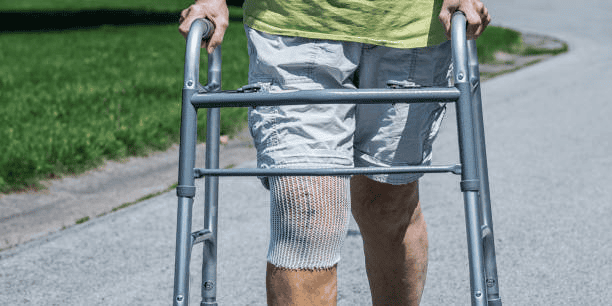
Recovery time for this procedure typically spans several weeks to a few months.
Immediate Post-Surgery
The medical team monitors the patients in the recovery room until they are stable.
First Few Days
First Two Weeks
First Month
Six Weeks to Three Months
Further improvement in mobility and function.
Three Months to Six Months
Return to light activities and low-impact exercises.
Six Months and Beyond
Continued improvement with long-term adherence to exercise and follow-up appointments.
Frequently Asked Questions
1. What is Total Knee Replacement Robotic Surgery?
It is an advanced procedure that uses computer-assisted planning and robotic guidance to help surgeons perform precise bone cuts and implant placement.
2. How is robotic knee replacement different from traditional surgery?
Robotic systems allow enhanced planning accuracy and alignment control compared to conventional manual instrumentation.
3. Who is the ideal candidate for robotic knee replacement surgery?
Candidates typically have advanced arthritis, severe pain, failed conservative treatment, and alignment concerns that benefit from precision planning.
4. What are the key benefits of robotic knee replacement?
Benefits may include improved implant accuracy, patient-specific planning, reduced soft-tissue disruption, and smoother early recovery.
5. Is robotic total knee replacement surgery safe and reliable?
Yes, it is considered safe when performed by trained surgeons in appropriately equipped hospitals, though standard surgical risks remain.
6. How long does recovery take after advanced total knee replacement surgery?
Most patients recover functional mobility within weeks, with full recovery typically taking 3–6 months.
7. Why is Dr Yogesh K considered a leading joint replacement surgeon in Bangalore?
He focuses on evidence-based procedure selection, modern surgical techniques, and structured post-operative rehabilitation.
8. How long do implants last after robotic total knee replacement surgery?
replacement implants commonly last 15–25 years or longer, depending on patient factors and surgical alignment.
9. What is MAKO Robotic Total knee replacement and how does it improve surgical accuracy?
This technology uses CT-based 3D planning and robotic assistance to help surgeons perform precise bone cuts and accurate implant placement, supporting better alignment and joint function.
10. Is there an experienced orthopaedic surgeon in Kadugodi for robotic knee replacement surgery?
Yes, patients seeking an orthopaedic surgeon in Kadugodi for robotic knee replacement can consult Dr. Yogesh K, who offers structured evaluation and evidence-based treatment planning.