
Turning 40 does not mean you have to slow down. But it is often the age when joint pain, back stiffness, old sports injuries, and reduced flexibility start becoming more noticeable. Many people begin to feel discomfort while climbing stairs, sitting for long hours, lifting objects, exercising, or even getting out of bed in the morning.
If you are searching for the most common orthopedic problems after 40, the answer usually includes knee pain, hip stiffness, lower back pain, shoulder injuries, neck pain, weak bones, and old injury flare-ups. These issues may develop slowly, but ignoring them can affect your mobility and quality of life over time.
The good news is that many age-related orthopaedic concerns can be managed better with early diagnosis, regular movement, strength training, posture correction, and timely medical care. With the right approach, your 40s and beyond can still be active, independent, and pain-free.
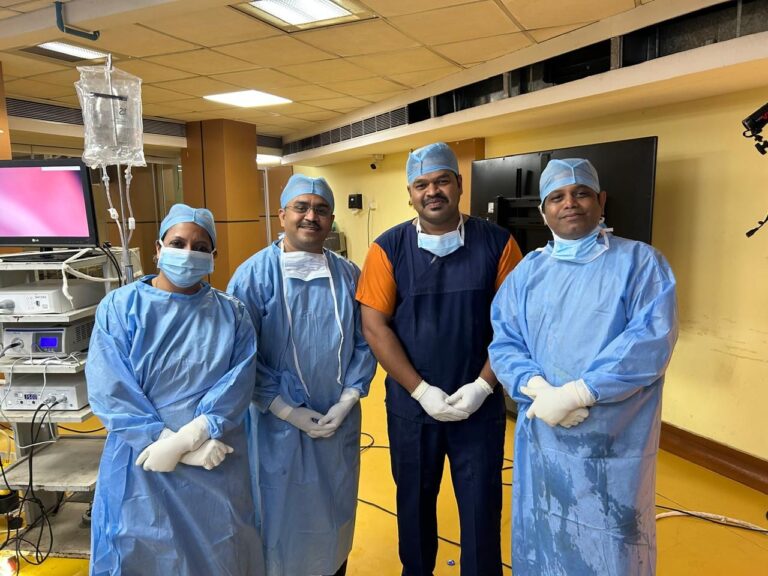
Dr. Yogesh K, an orthopaedic surgeon in Bangalore, focuses on arthroscopy, sports medicine injuries, joint replacement, Mako robotic joint replacement, and trauma care, according to his official website.
Why Joint and Bone Health Needs More Attention After 40
After 40, your bones, muscles, cartilage, and joints gradually start changing. The smooth cartilage that cushions your joints may begin to wear down. Muscle mass and flexibility may reduce if you are not physically active. Bone density can also decrease with age, especially in women after menopause.
This is why small problems like occasional knee pain, mild back stiffness, or shoulder discomfort should not always be ignored. In many cases, early care can prevent a minor issue from becoming a long-term mobility problem.
Osteoarthritis, one of the most common joint conditions, often affects weight-bearing joints such as the knees and hips, along with the spine and hands. It can cause pain, stiffness, swelling, and reduced movement.
Why Orthopedic Problems Become More Common After 40
Orthopaedic issues after 40 are usually caused by a combination of ageing, lifestyle habits, previous injuries, and reduced physical activity.
Some common reasons include:
- Natural cartilage wear in the joints
- Reduced joint cushioning
- Decline in muscle strength and flexibility
- Lower bone density
- Long sitting hours and poor posture
- Weight gain putting pressure on knees, hips, and spine
- Old sports injuries becoming painful again
- Sudden exercise after long periods of inactivity
Many people in their 40s also balance desk jobs, family responsibilities, travel, and irregular exercise routines. This can make the body more prone to stiffness, pain, and injury.
The Most Common Orthopedic Problems After Age 40
1. Knee Osteoarthritis
Knee osteoarthritis is one of the most frequent joint problems after 40. It happens when the cartilage in the knee gradually wears down, leading to pain, stiffness, swelling, and difficulty with movement.
You may notice knee pain while climbing stairs, sitting cross-legged, standing for a long time, or walking longer distances. Some people also feel a grinding sound, clicking, or weakness in the knee. NIAMS notes that knee osteoarthritis may cause grinding sounds and, over time, weakness in muscles and ligaments can make the knee buckle.
Early care can include weight management, physiotherapy, strengthening exercises, medication, injections, or advanced procedures when required.
2. Hip Pain and Hip Osteoarthritis
Hip pain after 40 should not be ignored, especially if it affects walking, sitting, standing, or climbing stairs. Hip osteoarthritis can cause pain in the groin, buttock, thigh, or even the knee. Some people may also notice reduced hip movement and stiffness.
This section is important because hip problems are often misunderstood as back pain or thigh pain. NIAMS notes that hip arthritis can cause pain and stiffness in the hip, groin, inner thigh, or buttocks, and the pain can sometimes spread to the knee.
If hip pain is affecting your daily life, you can explore the related page on Best orthopaedic surgeon for hip replacement for more information about advanced hip care options.
3. Lower Back Pain and Disc Degeneration
Lower back pain is extremely common after 40, especially among people who sit for long hours, drive frequently, work on laptops, or have weak core muscles. Some cases may be linked to age-related disc changes, poor posture, muscle strain, or nerve irritation.
Common symptoms include:
- Pain after sitting for long periods
- Stiffness while bending
- Pain spreading to the buttock or leg
- Tingling or numbness
- Difficulty lifting objects
- Pain that comes and goes
These orthopedic back problems should be checked if they continue for more than a few weeks or affect your routine. AAOS notes that low back pain may come and go, and sciatica can include pain, numbness, tingling, or weakness extending down the leg.
4. Shoulder Pain and Rotator Cuff Injuries
Shoulder pain after 40 is often seen in people who lift weights without proper form, play sports, work at a desk, sleep in poor positions, or perform repeated overhead activities.
A rotator cuff injury can make it difficult to lift the arm, reach behind the back, wear clothes, comb hair, or sleep on the affected side. Some people also feel weakness or clicking in the shoulder.
Minor shoulder pain may improve with rest and physiotherapy, but persistent pain needs proper evaluation. Delaying care can make the injury harder to treat.
5. Neck Pain and Cervical Spondylosis
Neck pain has become more common because of laptop use, mobile phone use, long working hours, and poor posture. After 40, age-related changes in the cervical spine can add to the problem.
Warning signs include:
- Neck stiffness
- Pain spreading to the shoulder or arm
- Headache linked to neck strain
- Tingling or numbness in the hand
- Reduced neck movement
- Pain after long screen time
Good posture, ergonomic work setup, neck mobility exercises, and early medical care can help manage symptoms before they worsen.
6. Osteoporosis and Weak Bones
Osteoporosis is a condition where bones become weak and more likely to fracture. It is more common with age and is especially important for women after menopause.
The challenge is that osteoporosis may not cause obvious symptoms until a fracture happens. That is why bone health should be taken seriously after 40, especially if there is a family history, low vitamin D, low calcium intake, smoking, alcohol use, or a sedentary lifestyle.
Calcium and vitamin D are important for bone strength, and vitamin D helps the body absorb calcium. NIAMS also notes that vitamin D supports muscle function, which helps balance and may reduce the risk of falls and fractures.
7. Old Sports Injury Flare-Ups
An old ligament tear, meniscus injury, shoulder dislocation, ankle sprain, or untreated sports injury can become painful again after 40. This may happen because of reduced strength, weight gain, joint wear, or returning to exercise without proper conditioning.
Many people restart running, badminton, gym workouts, or weekend sports after years of inactivity. Without warm-up, strengthening, and technique correction, old injuries may flare up.
Dr. Yogesh K’s clinical focus includes sports medicine injuries and arthroscopy, which makes this topic highly relevant for patients who want to return to an active lifestyle safely.
Everyday Habits That Make Orthopedic Problems Worse
Some daily habits quietly increase joint and spine stress after 40.
These include:
- Sitting for long hours without breaks
- Poor laptop and mobile posture
- Sudden intense workouts after months of inactivity
- Ignoring weight gain
- Wearing unsupportive footwear
- Skipping strength training
- Sleeping in poor positions
- Lifting heavy objects incorrectly
- Ignoring minor pain until it becomes severe
Small lifestyle corrections can make a big difference. For example, taking short walking breaks, strengthening the core, improving chair height, using proper footwear, and stretching regularly can reduce pressure on joints and muscles.
Early Warning Signs You Shouldn’t Ignore
Many orthopaedic problems start with mild symptoms. But if they keep returning, they need attention.
Consult an orthopaedic specialist if you notice:
- Pain lasting more than a few weeks
- Morning stiffness that keeps returning
- Swelling around a joint
- Pain while walking, climbing stairs, or sitting
- Clicking, locking, or instability
- Numbness or tingling
- Difficulty lifting the arm
- Reduced movement in the knee, shoulder, neck, or hip
- Pain that affects sleep
- Sudden sharp pain after injury
Pain is your body’s warning signal. Treating it early is usually easier than waiting until movement becomes restricted.
How to Prevent Orthopedic Problems After 40
1. Stay Consistently Active
You do not need intense workouts every day. Simple, regular movement is often more helpful than sudden heavy exercise. Walking, cycling, swimming, yoga, and low-impact workouts can support joint mobility.
CDC recommends adults aim for at least 150 minutes of moderate-intensity activity every week, along with 2 days of muscle-strengthening activity.
2. Build Strength and Flexibility
Strong muscles protect your joints. Weak thigh muscles can increase knee stress. A weak core can worsen back pain. Tight shoulders and hips can reduce movement.
Include exercises for:
- Thigh strength
- Hip strength
- Core stability
- Shoulder mobility
- Back support
- Balance and flexibility
Always start slowly, especially if you are returning to exercise after a long break.
3. Maintain a Healthy Weight
Extra weight increases pressure on the knees, hips, ankles, and spine. Even a small reduction in weight can reduce stress on weight-bearing joints.
Healthy weight management should include balanced eating, regular movement, strength training, and medical guidance when needed.
4. Improve Posture and Ergonomics
Poor posture can worsen neck pain, back pain, shoulder stiffness, and headaches.
Try these simple corrections:
- Keep your laptop screen at eye level
- Avoid bending your neck over your phone for long periods
- Sit with your back supported
- Keep feet flat on the floor
- Take a break every 30–45 minutes
- Avoid working from bed for long hours
These small changes can reduce the risk of posture-related pain.
5. Prioritize Bone Health
Bone health becomes very important after 40. Include calcium-rich foods, maintain vitamin D levels, do weight-bearing exercises, and speak to your doctor if you have risk factors for osteoporosis.
Do not self-medicate with supplements. A doctor may recommend blood tests, bone density tests, or supplements based on your health condition.
6. Don’t Ignore Minor Pain
A small pain that keeps returning should not be brushed aside. Early diagnosis can help identify whether the pain is due to muscle strain, arthritis, ligament injury, disc issues, or another cause.
This is especially important for knee pain, hip pain, shoulder pain, and orthopedic back problems that affect your daily movement.
When Should You See an Orthopedic Specialist?
You should consider seeing an orthopaedic specialist if:
- Pain continues beyond 2–3 weeks
- Walking or climbing stairs becomes difficult
- You cannot lift your arm properly
- You feel numbness, tingling, or weakness
- Joint swelling appears suddenly
- An old sports injury starts hurting again
- Hip or knee pain affects daily life
- Pain disturbs your sleep
- You are depending on painkillers often
If you are looking for expert evaluation, the related page on Best orthopaedic surgeon in Bangalore can help patients understand Dr. Yogesh K’s areas of care and treatment approach.
How Dr. Yogesh K Helps Patients Stay Active After 40
Dr. Yogesh K helps patients with joint pain, sports injuries, arthritis-related concerns, and mobility problems through careful evaluation and evidence-based treatment planning.
His care approach may include:
- Detailed clinical assessment
- Imaging and diagnosis when required
- Lifestyle and activity guidance
- Physiotherapy and rehabilitation planning
- Non-surgical pain management options
- Sports injury management
- Arthroscopy for selected joint injuries
- Advanced joint procedures when needed
- Mako robotic joint replacement in suitable cases
The focus is not just on reducing pain temporarily. The goal is to help patients move better, return to daily activities, and protect long-term joint health.
Conclusion: Your 40s Can Still Be Active and Strong
Orthopaedic pain after 40 is common, but it should not be accepted as “normal ageing.” Knee pain, hip stiffness, neck pain, shoulder discomfort, weak bones, and lower back pain can often be managed better when diagnosed early.
The key is to listen to your body, stay active, build strength, protect your bones, improve posture, and seek medical advice when pain does not settle.
With timely care from Dr. Yogesh K, patients can better understand the cause of their pain and choose the right treatment path for long-term mobility and active living.