Overview
Running is one of the most popular fitness activities today, thanks to its simplicity and health benefits. It improves cardiovascular health, reduces stress, and supports overall well-being. But like any repetitive physical activity, it comes with injury risks—especially to the knees.
Runner’s knee and overuse injuries are among the most frequent complaints evaluated by an orthopedic surgeon and sports medicine expert. These issues often develop slowly, starting with mild discomfort and eventually interfering with training and daily life. Early recognition, the right preventive approach, and timely consultation can help you stay active without long-term damage.
Why Runners Commonly Develop Knee and Overuse Injuries
With growing awareness around fitness, many people are adding running to their routine—whether for marathons, weight loss, or stress relief. But the same activity that strengthens your body can cause wear if not done thoughtfully.
Each step while running sends a force through the knee that’s several times your body weight. When combined with poor form, weak muscles, or rapid training changes, this load can overwhelm the joint over time.
What makes these injuries harder to manage is the common belief that “some pain is normal.” While temporary muscle soreness is expected, persistent knee pain is not—and it often signals developing overuse injury.
The Anatomy Behind Runner’s Knee
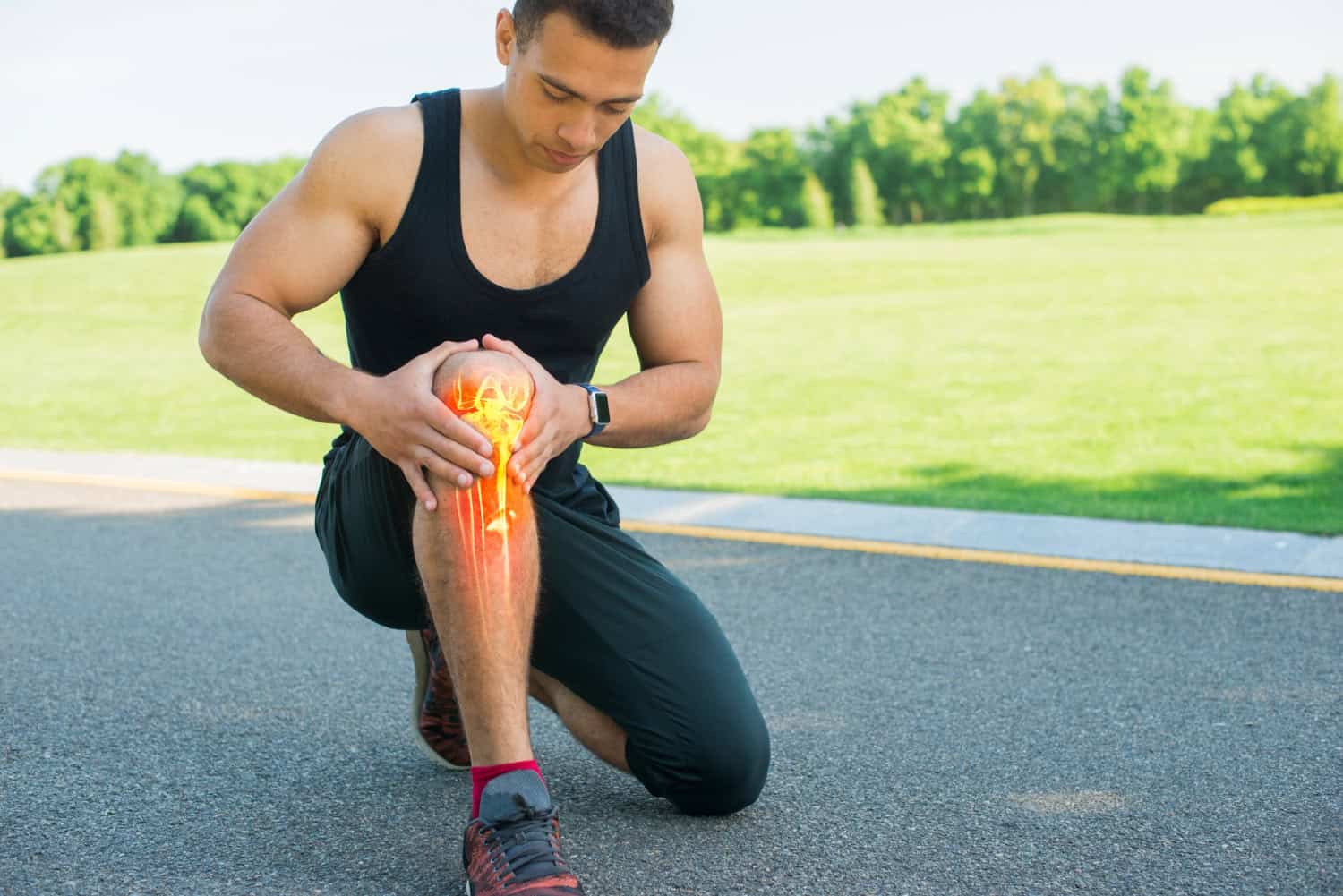
Runner’s knee is the everyday term for patellofemoral pain syndrome, a condition where the kneecap (patella) doesn’t track properly during movement. When the patella moves out of alignment, it causes increased friction with the thigh bone, leading to pain around or behind the knee.
What causes this?
- Weak glutes or hips that affect how the knee aligns during running
- Quadriceps imbalances pulling the kneecap unevenly
- Poor core strength that alters lower limb movement patterns
Over time, these issues lead to increased joint stress—and eventually, runner’s knee.
Overuse Injuries and Their Gradual Progression
Unlike a sudden fall or twist, overuse injuries develop from repetitive strain. Every run places small loads on the knees, shins, ankles, and feet. Without enough recovery, these micro-stresses accumulate.
In the early stages, pain may appear only after long runs. As training continues, discomfort may begin earlier, last longer, and eventually affect daily activities.
Common overuse injury sites in runners include:
- Knees (patellofemoral pain, tendinitis)
- Shins (shin splints or stress reactions)
- Feet/ankles (plantar fasciitis, Achilles tendinopathy)
Ignoring early symptoms often turns a manageable issue into a chronic one.
Training Errors That Increase Injury Risk
Sudden Load Increases
Jumping too quickly into higher mileage, faster paces, or hill training puts the body at risk. Adaptation takes time—and without it, tissues are more likely to break down.
Lack of Strength Training
Many runners skip strength sessions, focusing only on endurance. Weak hips, glutes, and core reduce your ability to stabilize the knee during movement.
Skipping Recovery
Without rest days, your muscles and joints don’t get time to repair. Recovery is as important as the workouts themselves.
Running Through Pain
“Pushing through” pain often leads to worsening symptoms and longer recovery times. Consistent pain during or after runs should never be ignored.
Lifestyle and Mechanical Factors in Runners
Training is just one part of the injury equation. Everyday habits also matter:
- Sitting for long hours tightens hip flexors and weakens glutes
- Poor sleep affects tissue recovery and performance
- Inconsistent nutrition can delay muscle repair
- Worn-out footwear may alter shock absorption
- Repetitive treadmill running or sloped road surfaces create uneven stress
Being aware of these variables—and adjusting accordingly—helps runners stay injury-free.
Practical Prevention Strategies
Smart Training Habits
Follow a structured training plan that gradually increases load. Include cross-training like swimming or cycling to build endurance without overloading the knees.
Strength & Stability
Strong hips, glutes, quadriceps, and core muscles reduce knee strain and improve control during running.
Mobility & Recovery
Stretch regularly, especially the calves, hamstrings, quads, and IT band. Use foam rollers and prioritise sleep, hydration, and nutrition to support recovery.
These small changes, when done consistently, go a long way in reducing the risk of overuse injuries.
Role of Gait Analysis and Physical Assessment
Gait analysis examines your movement pattern while walking or running. It identifies subtle mechanical issues—like foot overpronation, hip drop, or uneven stride—that contribute to injury.
A thorough physical assessment by a qualified sports injury orthopaedic surgeon can spot:
- Weak or underactive muscles
- Flexibility deficits
- Poor load transfer patterns
These evaluations form the basis of injury-prevention strategies tailored to your specific needs.
Expert Perspective for Runners
Dr. Yogesh K, a leading sports injury specialist in Bangalore, emphasises that injury prevention is not one-size-fits-all. Every runner has a unique running style, strength profile, and recovery capacity.
Early intervention helps avoid structural joint damage. In some advanced cases, where degeneration is already present, treatment options may extend beyond rehabilitation and include surgical evaluation. This may involve procedures such as partial knee replacement, typically reserved for patients with significant joint damage, not routine running injuries.
The focus, however, remains on preserving joint health through movement correction, strengthening, and smart training.
Final Thoughts
Running should be a lifelong habit—not a trigger for long-term knee problems. Runner’s knee and overuse injuries can be prevented by:
- Listening to your body
- Balancing training with strength and recovery
- Seeking professional evaluation at the right time
Whether you’re a seasoned marathoner or just starting out, the key to injury-free running is consistency—not just in training, but in taking care of your joints.