
Shoulder pain that disrupts sleep or makes lifting everyday items difficult is frequently tied to tendon damage. A rotator cuff tear can cause significant weakness, localized discomfort, and a stark loss of mobility when raising your arm. Fortunately, recent developments in orthopedic care have shifted how specialists address these injuries.
Patients looking into how to treat a strained rotator cuff no longer have to depend solely on basic lifestyle alterations or undergo highly invasive open procedures. Advanced medical approaches, including biological patch repairs, platelet-rich plasma therapy, and highly sophisticated shoulder operations, now offer targeted paths to recovery. The optimal approach depends heavily on the specific size of the tear, ongoing pain levels, lifestyle demands, and the overall quality of the underlying tissue.
What Is a Rotator Cuff Tear?
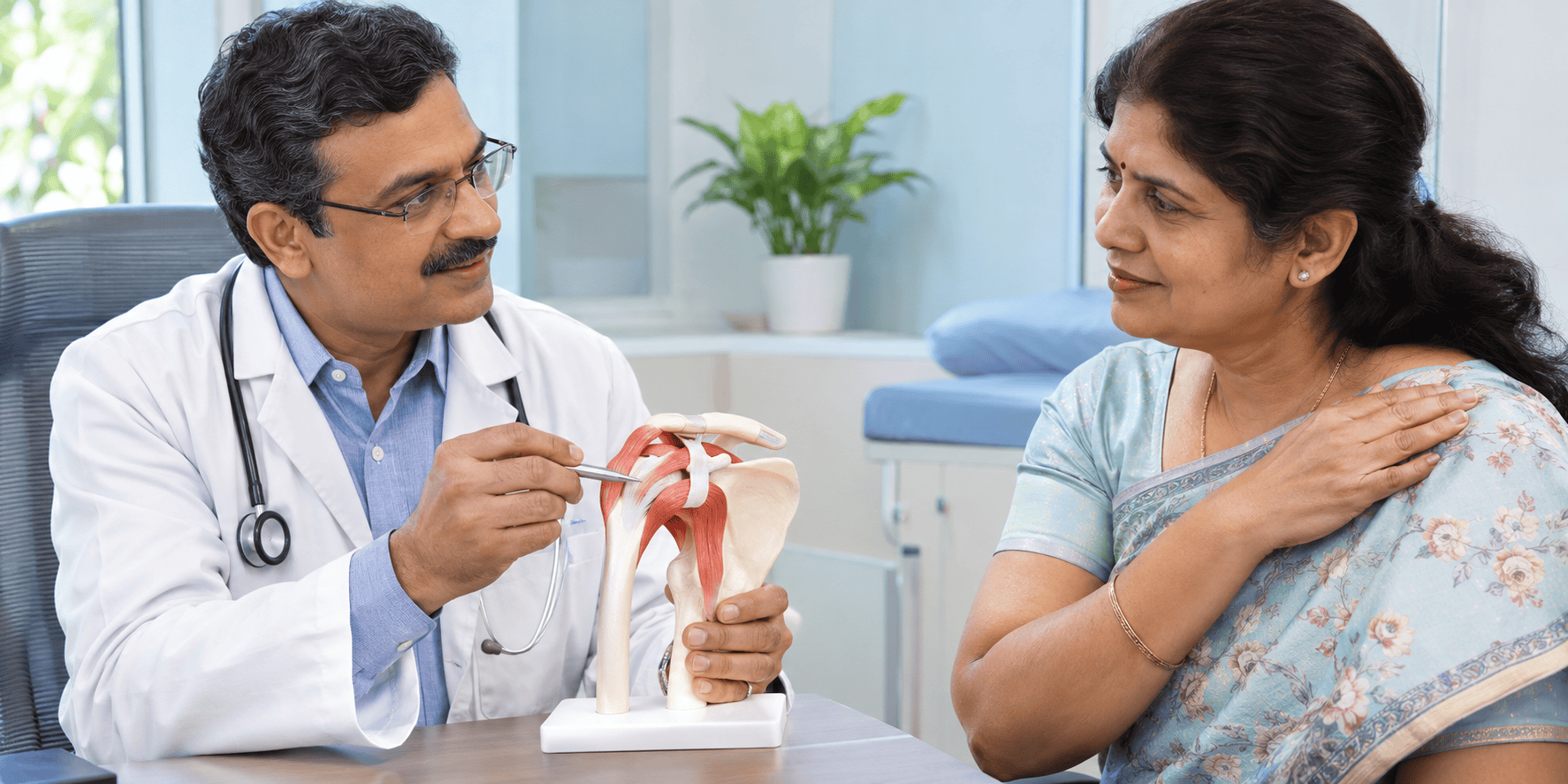
The rotator cuff is a crucial structural network of muscles and tendons that keep the shoulder joint securely centered and mobile. A tear involves damage to these specific tendons, which directly impacts basic stability.
This injury can result from a sudden sports trauma, a heavy fall, natural aging, or chronic overuse. When a tear occurs, common symptoms typically emerge, such as persistent pain when lifting objects, severe night pain when resting on the affected side, localized arm weakness, and a noticeably reduced range of motion.
Traditional vs Modern Rotator Cuff Treatment
For mild irritation or minor strains, initial clinical protocols generally focus on non surgical rotator cuff treatment. Traditional care relies primarily on relative rest, anti-inflammatory medications, specialized physical therapy, and localized cortisone injections to manage swelling.
However, if structural tearing is substantial or if the pain continues to limit daily function, surgical options become necessary. Modern shoulder protocols prioritize biological healing and mechanical reinforcement. The goal is to optimize the tissue environment, establish a stronger overall repair, and accelerate functional recovery.
Patch Repair for Rotator Cuff Tears
A significant modern advancement in shoulder care is the introduction of patch augmentation. During this specialized procedure, a biological or synthetic scaffold patch is secured over the repaired tendon to provide immediate physical reinforcement.
This technique is valuable for large, chronic, or recurrent tears where the native tendon tissue is exceptionally weak or thin. The patch helps distribute mechanical stress evenly, supporting the joint while natural tissue heals over the bone interface.
PRP in Rotator Cuff Treatment
Platelet-Rich Plasma (PRP) therapy plays a growing role in specialized strained rotator cuff treatment. This orthobiologic method involves collecting a small sample of the patient’s own blood, concentrating the platelets using a centrifuge, and introducing these growth factors directly into the injured area.
Recent research suggests that PRP can support the local healing environment around the tendon, potentially reducing post-operative retear rates and mitigating early-stage discomfort. However, clinical outcomes can vary depending on individual patient factors and specific tissue health.
Modern Arthroscopic Shoulder Surgery
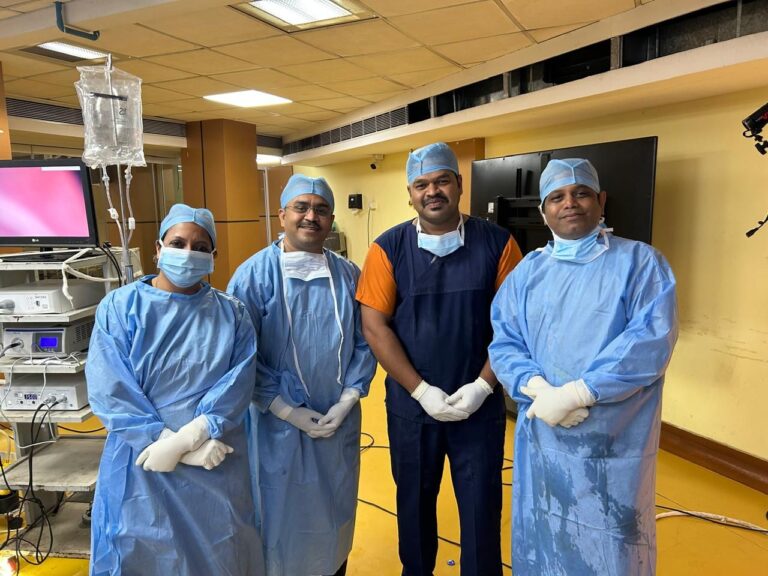
Modern surgical interventions rely heavily on minimally invasive techniques rather than large open incisions. Arthroscopic shoulder surgery utilizes tiny cuts, miniature instruments, and a high-definition fiber-optic camera to visualize and repair joint structures with minimal disruption to the surrounding healthy tissue.
When seeking out specialized care, consulting a leading expert like Dr. Yogesh K ensures that these delicate techniques are executed with precision. Choosing the best shoulder orthopaedic surgeon allows patients to address complex rotator cuff tears, labral damage, joint instability, and chronic frozen shoulder effectively. While some practitioners focus solely on other areas like arthroscopic knee surgery, dedicated shoulder specialists bring specific, highly refined technical expertise to complex ball-and-socket mechanisms.
Other New Advances in Shoulder Surgery
Some large or long-standing rotator cuff tears cannot be repaired using conventional arthroscopic techniques. In such cases, a shoulder specialist may consider other procedures based on the extent of tendon damage, the condition of the shoulder joint and the patient’s ability to move the arm.
- Subacromial Balloon Spacer: This biodegradable device is inserted through keyhole surgery into the space between the upper arm bone and the acromion, the bony part at the top of the shoulder. Once filled with saline, it acts as a temporary spacer intended to improve shoulder movement. It has been studied for selected patients with irreparable rotator cuff tears, but research findings remain mixed. It is not suitable for everyone, so a shoulder specialist should assess its potential benefits and limitations before recommending it.
- Superior Capsular Reconstruction (SCR): This procedure uses a tissue graft to rebuild the upper part of the shoulder capsule, which helps keep the joint stable. It may be considered for selected patients with massive, irreparable rotator cuff tears, particularly when significant shoulder arthritis is absent and preserving the natural joint is still possible.
- Tendon Transfers: When a rotator cuff tendon cannot be repaired, a nearby healthy tendon may be repositioned to compensate for some of the lost muscle function. This can help restore specific shoulder movements in patients with complex, irreparable tears. The choice of tendon depends on which muscles and tendons are still working.
- Reverse Shoulder Replacement: Patients with irreparable rotator cuff tears and significant shoulder arthritis may be considered for reverse shoulder replacement. In this procedure, the usual positions of the ball and socket are switched. This allows the deltoid muscle, which covers the shoulder, to help lift the arm when the damaged rotator cuff can no longer perform this function. The procedure may relieve pain and improve shoulder movement in appropriately selected patients.
- Advanced Rehabilitation Planning: Physiotherapy plays an important role in recovery after shoulder surgery. Rehabilitation usually progresses through stages, beginning with pain management and protected movement before introducing exercises to restore mobility and build strength. The timing of each stage depends on the procedure performed, how the repair is healing and the surgeon’s instructions.
Who May Need Advanced Rotator Cuff Treatment?
Advanced options are typically recommended for individuals dealing with:
- Large, retracted, or recurrent tendon tears.
- High-demand physical requirements, such as active athletes or manual professionals.
- Severe, persistent shoulder weakness that restricts regular daily tasks.
- Minimal or no functional improvement after prolonged physical therapy.
- Chronically poor tendon quality accompanied by long-term joint pain.
Recovery After Rotator Cuff Treatment
The recovery timeline is highly dependent on the initial tear size and the specific treatment type selected. Dedicated physical therapy is vital to rebuild joint mechanics after an intervention. The typical rehabilitation pathway centers on systematic pain management, gradual restoration of passive and active motion, targeted muscle strengthening, and a structured, safe return to normal daily routines.
Conclusion
Rotator cuff treatment options have advanced significantly with the integration of patch repairs, PRP therapies, and modern arthroscopic techniques. These clinical innovations help optimize biological healing, restore joint stability, and improve overall shoulder function for eligible patients. Seeking an early medical diagnosis and establishing a targeted treatment plan remain critical steps to preserve joint health, maximize structural recovery, and prevent long-term shoulder weakness. For expert evaluation and advanced shoulder care, book a consultation with Dr. Yogesh K today.